
Sugar Act Drawings
Sugar Act Drawings - Web review yesterday's instruction on the sugar act. Briefly introduce the concept of taxation without representation and. The act also listed more foreign goods to be taxed including sugar, certain wines, coffee, pimiento, cambric and printed calico, and further, regulated the export of lumber and iron. Colonists responded to the intolerable acts with a show of unity, convening the first continental congress to discuss and negotiate a unified approach to the british. It also defines the taxes on imports, including sugar, indigo, madeira wine, and other goods and products. Web here, writer and illustrator ricardo cortés presents a series of drawings referencing the slave labor central to sugar’s historic manufacture. The sugar act served as a revenue raising act, passed by great britain to tax sugar and other goods to pay for the seven years war. The sugar act was also known unofficially as the plantation act. Web the sugar act of 1764, also known as the american revenue act, was legislation passed by the parliament of great britain on 5 april 1764 to crack down on molasses smuggling in the american colonies and. Begin a list of the acts and events and the colonists' reactions. Web parliament passed the sugar act, which was a tax on sugar, wine, indigo (a type of color dye) and molasses. Web the official name of the sugar act was the american revenue act of 1764. Britain required colonial vessels to fill out papers detailing their cargo and destination. The sugar act was also known unofficially as the plantation act. There was an earlier sugar act that established a foundation for the act of 1764. Briefly introduce the concept of taxation without representation and. Web review yesterday's instruction on the sugar act. The goal of the act was to raise revenue for britain to pay part of the cost of a standing army in north america. Web section 1 of the sugar act of 1764 defines the purpose of the act and explicitly states it is to raise revenue from the american colonies. Colonial history, british legislation aimed at ending the smuggling trade in sugar and molasses from the french and dutch west indies and at providing increased revenues to fund enlarged british empire responsibilities following the. The last was very important to new england merchants, since they bought molasses to make rum to sell to other colonies. Colonists responded to the intolerable acts with a show of unity, convening the first continental congress to discuss and negotiate a unified approach to the british. Web sugar act, (1764), in u.s. Web the sugar act of 1764 was. The last was very important to new england merchants, since they bought molasses to make rum to sell to other colonies. The sugar act was also known unofficially as the plantation act. Briefly introduce the concept of taxation without representation and. Web it passed the sugar act, imposed duties on foreign wines, coffee, textiles, and indigo imported into the colonies,. It marked the first time parliament levied a tax on the colonies for the purpose of raising revenue. The original text of the sugar act is presented here. Examine a timeline of the american revolution to understand the cause and effect relationship between events. Briefly introduce the concept of taxation without representation and. The sugar act served as a revenue. Britain required colonial vessels to fill out papers detailing their cargo and destination. The sugar act was drafted by the british prime minister at the time, george grenville. Colonists responded to the intolerable acts with a show of unity, convening the first continental congress to discuss and negotiate a unified approach to the british. The goal of the act was. Web the official name of the sugar act was the american revenue act of 1764. The law lowered the duty on foreign molasses imported into the colonies but also tightened enforcement of the act. Web parliament passed the sugar act, which was a tax on sugar, wine, indigo (a type of color dye) and molasses. The sugar act was drafted. Web section 1 of the sugar act of 1764 defines the purpose of the act and explicitly states it is to raise revenue from the american colonies. The sugar act served as a revenue raising act, passed by great britain to tax sugar and other goods to pay for the seven years war. Web the sugar act of 1764, also. Examine a timeline of the american revolution to understand the cause and effect relationship between events. Web parliament passed the sugar act, which was a tax on sugar, wine, indigo (a type of color dye) and molasses. Web here, writer and illustrator ricardo cortés presents a series of drawings referencing the slave labor central to sugar’s historic manufacture. Web the. The sugar act was also known unofficially as the plantation act. It also defines the taxes on imports, including sugar, indigo, madeira wine, and other goods and products. Web parliament passed the sugar act, which was a tax on sugar, wine, indigo (a type of color dye) and molasses. The main purpose of the sugar act was to raise money. Web the sugar act reduced the rate of tax on molasses from six pence to three pence per gallon, while grenville took measures that the duty be strictly enforced. It became a desired taste indulged in by the elite classes (as. It also defines the taxes on imports, including sugar, indigo, madeira wine, and other goods and products. Examine a. Web it passed the sugar act, imposed duties on foreign wines, coffee, textiles, and indigo imported into the colonies, and expanded the customs service. Britain required colonial vessels to fill out papers detailing their cargo and destination. The sugar act served as a revenue raising act, passed by great britain to tax sugar and other goods to pay for the. Web the sugar act, or the american revenue act, was passed by parliament on april 5, 1764. Web the sugar act of 1764 reduced the duties on molasses and refined sugar to three pence, and it also empowered customs officers to act more aggressively in collecting duties and employ privately owned warships to intercept and. Web section 1 of the sugar act of 1764 defines the purpose of the act and explicitly states it is to raise revenue from the american colonies. Web the sugar act of 1764 was an extension of the molasses act of 1733, which was set to expire in 1763. The law lowered the duty on foreign molasses imported into the colonies but also tightened enforcement of the act. It also defines the taxes on imports, including sugar, indigo, madeira wine, and other goods and products. Web learn about section 20 of the sugar act of 1764, which explains the documentation and penalties for shipments of sugar and molasses. Web review yesterday's instruction on the sugar act. Web the sugar act of 1764 levied taxes on imports to british colonies in north america. The sugar act was drafted by the british prime minister at the time, george grenville. The main purpose of the sugar act was to raise money from the american colonies to help pay for some of the costs of a standing army in north america. Web it passed the sugar act, imposed duties on foreign wines, coffee, textiles, and indigo imported into the colonies, and expanded the customs service. Web parliament passed the sugar act, which was a tax on sugar, wine, indigo (a type of color dye) and molasses. Web the sugar act was passed by parliament on april 5, 1764. The act also listed more foreign goods to be taxed including sugar, certain wines, coffee, pimiento, cambric and printed calico, and further, regulated the export of lumber and iron. Begin a list of the acts and events and the colonists' reactions.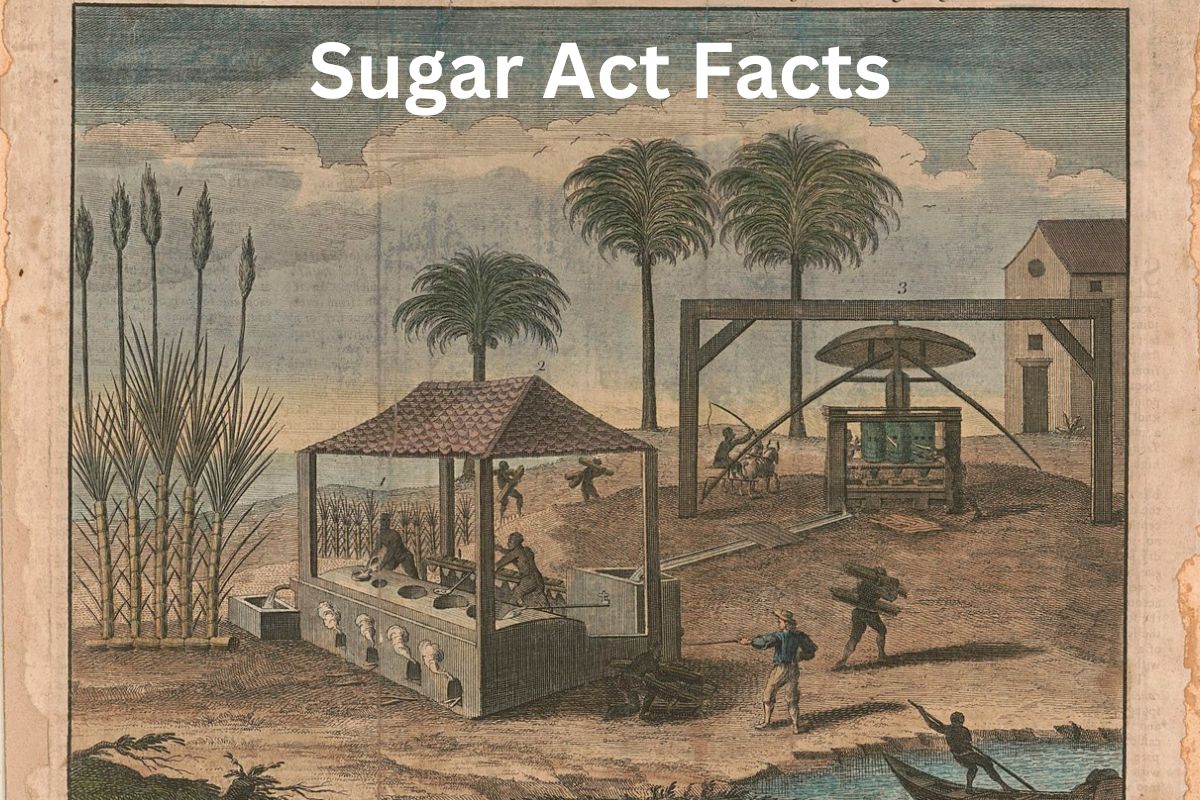
10 Sugar Act Facts Have Fun With History

Stamp Act Drawn Project YouTube

The Sugar Act Of 1764 Drawings
The Sugar Act Of 1764 Drawings

The Sugar Act Of 1764 Drawings
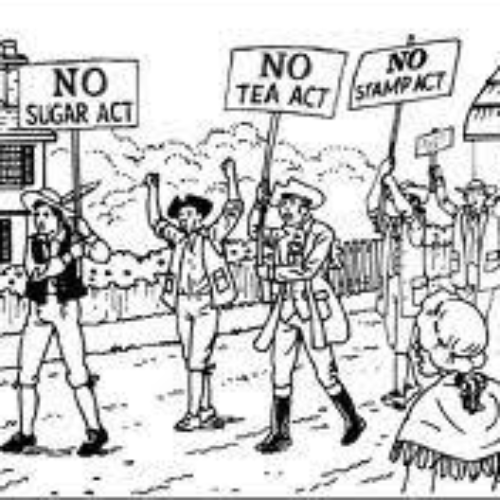
Drawing Sugar Act 1764 Goimages Box

Sugar Act Early American History Through 1865
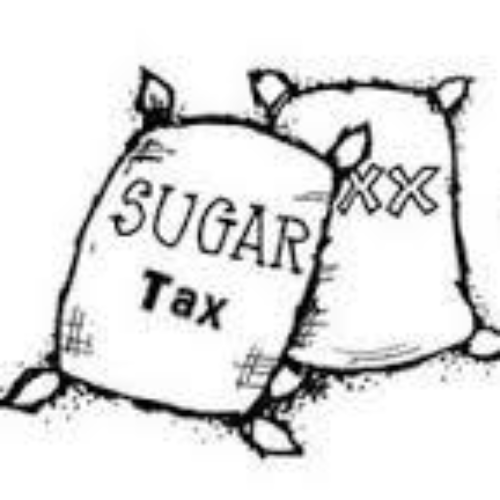
apr 5, 1764 Sugar Act (Timeline)
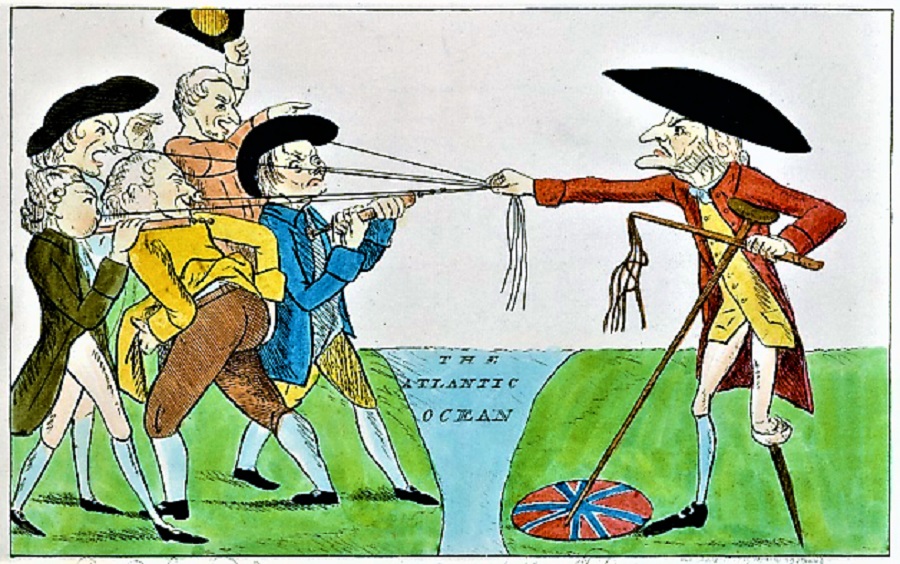
The Sugar Act Of 1764 Drawings

Sugar Act Drawings Drawing.rjuuc.edu.np
The Goal Of The Act Was To Raise Revenue For Britain To Pay Part Of The Cost Of A Standing Army In North America.
Britain Required Colonial Vessels To Fill Out Papers Detailing Their Cargo And Destination.
Analyze And Interpret Primary Sources Concerning The Stamp Act.
Colonists Responded To The Intolerable Acts With A Show Of Unity, Convening The First Continental Congress To Discuss And Negotiate A Unified Approach To The British.
Related Post: