
Drawings Of The Respiratory System
Drawings Of The Respiratory System - Drawing shows the right lung with the upper, middle, and lower lobes, the left lung with the upper and lower lobes, and the trachea, bronchi, lymph nodes, and diaphragm. The airway, which includes the nose, mouth, pharynx, larynx, trachea, bronchi, and bronchioles, carries air between the lungs and the body's exterior. It includes your lungs, nose, mouth and the tubelike structures ( airways) that connect them. The process of physiological respiration includes two major parts: The major organs of the respiratory system include the nose, pharynx, larynx, trachea, bronchi, lungs, and diaphragm. Describe how the respiratory system processes oxygen and co 2; Web the respiratory system, which includes air passages, pulmonary vessels, the lungs, and breathing muscles, aids the body in the exchange of gases between the air and blood, and between the blood. Web there are 3 major parts of the respiratory system: An inset shows the bronchioles, alveoli, artery, and vein. Web this page titled 20.6: Web respiratory system of humans. Compare and contrast the functions of upper respiratory tract with the lower respiratory tract Web the respiratory system, which includes air passages, pulmonary vessels, the lungs, and breathing muscles, aids the body in the exchange of gases between the air and blood, and between the blood. Web what is the respiratory system? Describe how the respiratory system processes oxygen and co 2; Follow my step by step respiratory system drawing & you will be able to draw as. Compare and contrast the functions of upper respiratory tract with the lower respiratory tract Web this page titled 20.6: The respiratory tract has two major divisions: The upper respiratory tract and the lower respiratory tract. Web list the structures that make up the respiratory system; Describe how the respiratory system processes oxygen and co 2; Web it is so interesting & easy respiratory system drawing that it is suitable for beginners (i.e,.more. Web the respiratory system is divided into an upper and lower respiratory tract. Overview of the respiratory system. The respiratory tract has two major divisions: You also have muscles and blood vessels that support your respiratory system, and ribs to protect it. Describe how the respiratory system processes oxygen and co 2; Compare and contrast the functions of upper respiratory tract with the lower respiratory tract The respiratory system consists of the airways, the lungs, and the respiratory. First by outlining the lungs, bronchi, and trachea, then detailing additional components and accessory structures. Web list the structures that make up the respiratory system; The lungs and respiratory system allow us to breathe. Overview of the respiratory system. Describe how the respiratory system processes oxygen and co 2; The nose and nasal cavity; The airway, which includes the nose, mouth, pharynx, larynx, trachea, bronchi, and bronchioles, carries air between the lungs and the body's exterior. Web the respiratory system, which includes air passages, pulmonary vessels, the lungs, and breathing muscles, aids the body in the exchange of gases between the air and blood, and between the blood. The. Compare and contrast the functions of upper respiratory tract with the lower respiratory tract The respiratory system consists of the airways, the lungs, and the respiratory muscles that mediate the movement of air into and out of the body. Drawing shows the right lung with the upper, middle, and lower lobes, the left lung with the upper and lower lobes,. The nose and nasal cavity; It includes your lungs, nose, mouth and the tubelike structures ( airways) that connect them. The respiratory system is the organs and other parts of your body involved in breathing, when you exchange oxygen and carbon dioxide. Web human respiratory system, the system in humans that takes up oxygen and expels carbon dioxide. Web the. They bring oxygen into our bodies (called inspiration, or inhalation) and send carbon dioxide out (called expiration, or exhalation) [1]. Web human respiratory system, the system in humans that takes up oxygen and expels carbon dioxide. The respiratory system is the organs and other parts of your body involved in breathing, when you exchange oxygen and carbon dioxide. Describe how. They bring oxygen into our bodies (called inspiration, or inhalation) and send carbon dioxide out (called expiration, or exhalation) [1]. The respiratory tract has two major divisions: Web what is the respiratory system? Describe how the respiratory system processes oxygen and co 2. The airway, the lungs, and the muscles of respiration. Web the respiratory system works as a whole to extract the oxygen from the inhaled air and eliminate the carbon dioxide from the body by exhalation. The respiratory system of animals is crucial for the life as it allows the exchange of gases between an organism and the environment. Web there are 3 major parts of the respiratory system: Web. Learn about the anatomy and function of the respiratory system in this article. The major organs of the respiratory system include the nose, pharynx, larynx, trachea, bronchi, lungs, and diaphragm. It includes your lungs, nose, mouth and the tubelike structures ( airways) that connect them. The lungs and respiratory system allow us to breathe. They bring oxygen into our bodies. Describe how the respiratory system processes oxygen and co 2; Drawing shows the right lung with the upper, middle, and lower lobes, the left lung with the upper and lower lobes, and the trachea, bronchi, lymph nodes, and diaphragm. The airway, the lungs, and the muscles of respiration. The process of physiological respiration includes two major parts: Web human respiratory system, the system in humans that takes up oxygen and expels carbon dioxide. The respiratory system is the organs and other parts of your body involved in breathing, when you exchange oxygen and carbon dioxide. Web the respiratory system works as a whole to extract the oxygen from the inhaled air and eliminate the carbon dioxide from the body by exhalation. They bring oxygen into our bodies (called inspiration, or inhalation) and send carbon dioxide out (called expiration, or exhalation) [1]. Follow my step by step respiratory system drawing & you will be able to draw as. It includes your lungs, nose, mouth and the tubelike structures ( airways) that connect them. Web respiratory system of humans. Describe how the respiratory system processes oxygen and co 2; External respiration, also known as breathing, involves both bringing air into the lungs (inhalation) and releasing air to the atmosphere (exhalation). The respiratory tract has two major divisions: An inset shows the bronchioles, alveoli, artery, and vein. Learn about the anatomy and function of the respiratory system in this article.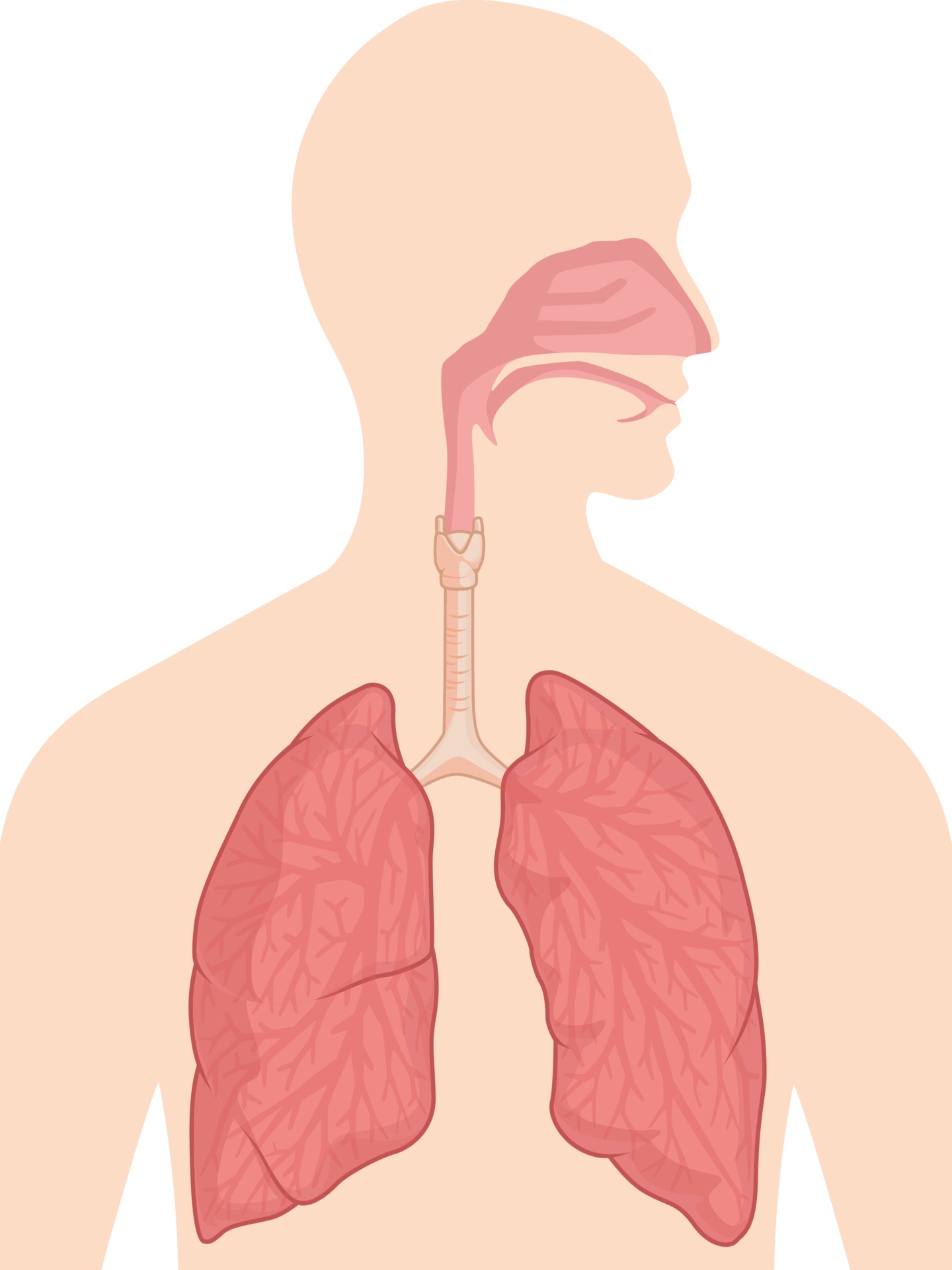
Respiratory Breathing System Body Organ Anatomy Diagram Vector Drawing
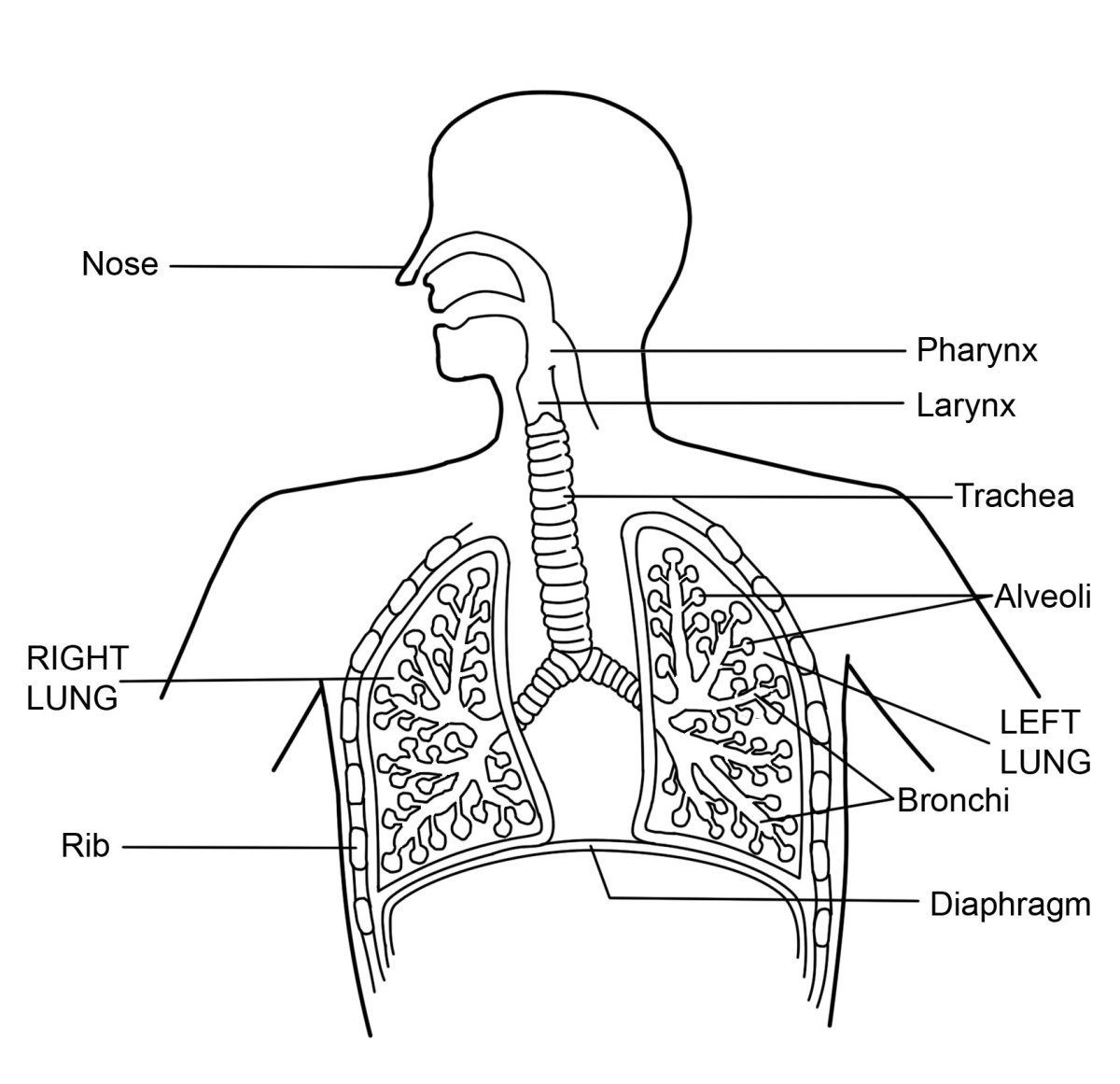
What is the Respiratory System Diagram and Function HubPages
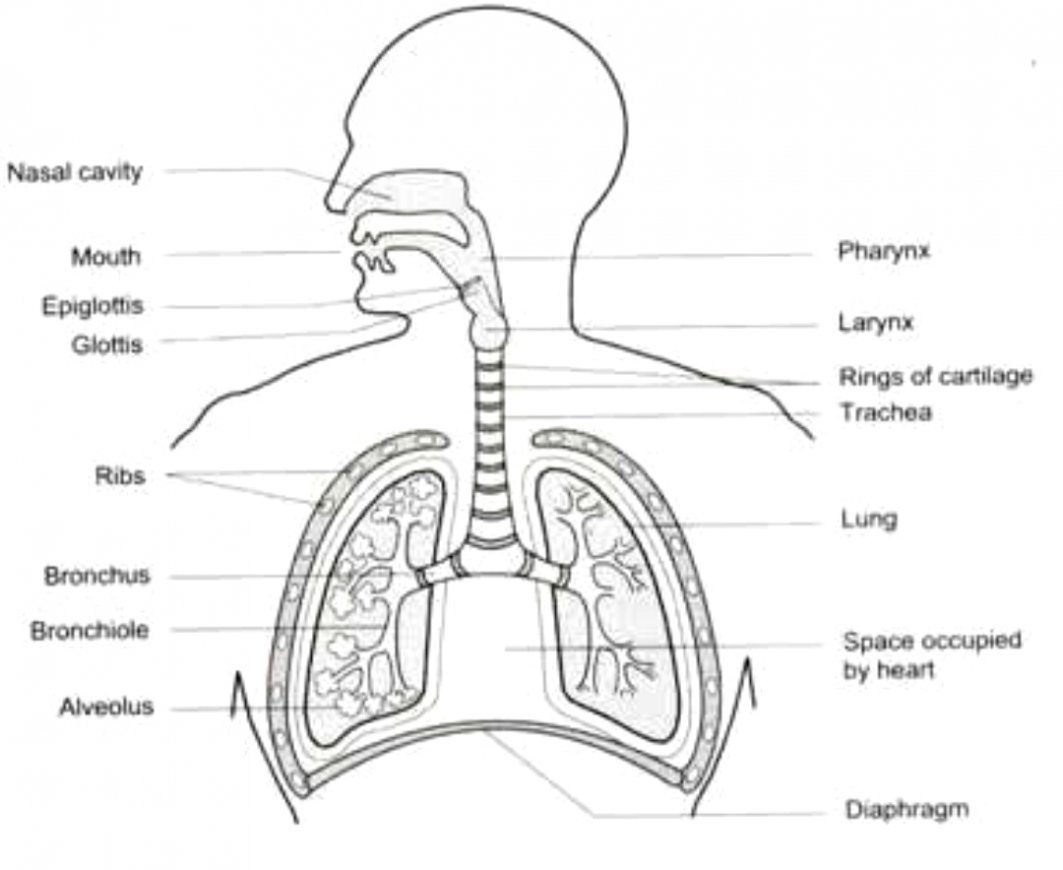
Labeled Diagram Of The Respiratory System Of A Human

Respiratory System With Label Drawing at GetDrawings Free download
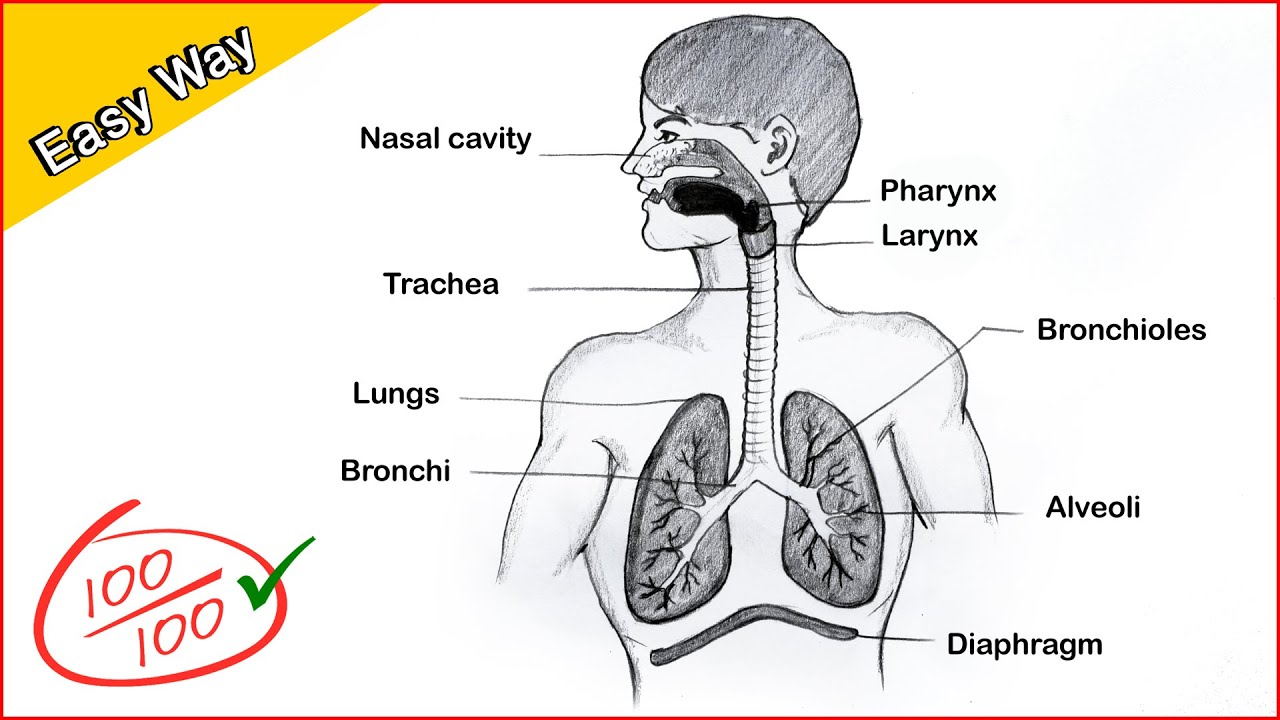
How to draw a Human Respiratory system Diagram Drawing easy science

Human Respiratory System Anatomical Vector Illustration Stock Vector

Schematic representation of the respiratory system. Download

A detailed line drawing of the human respiratory system including
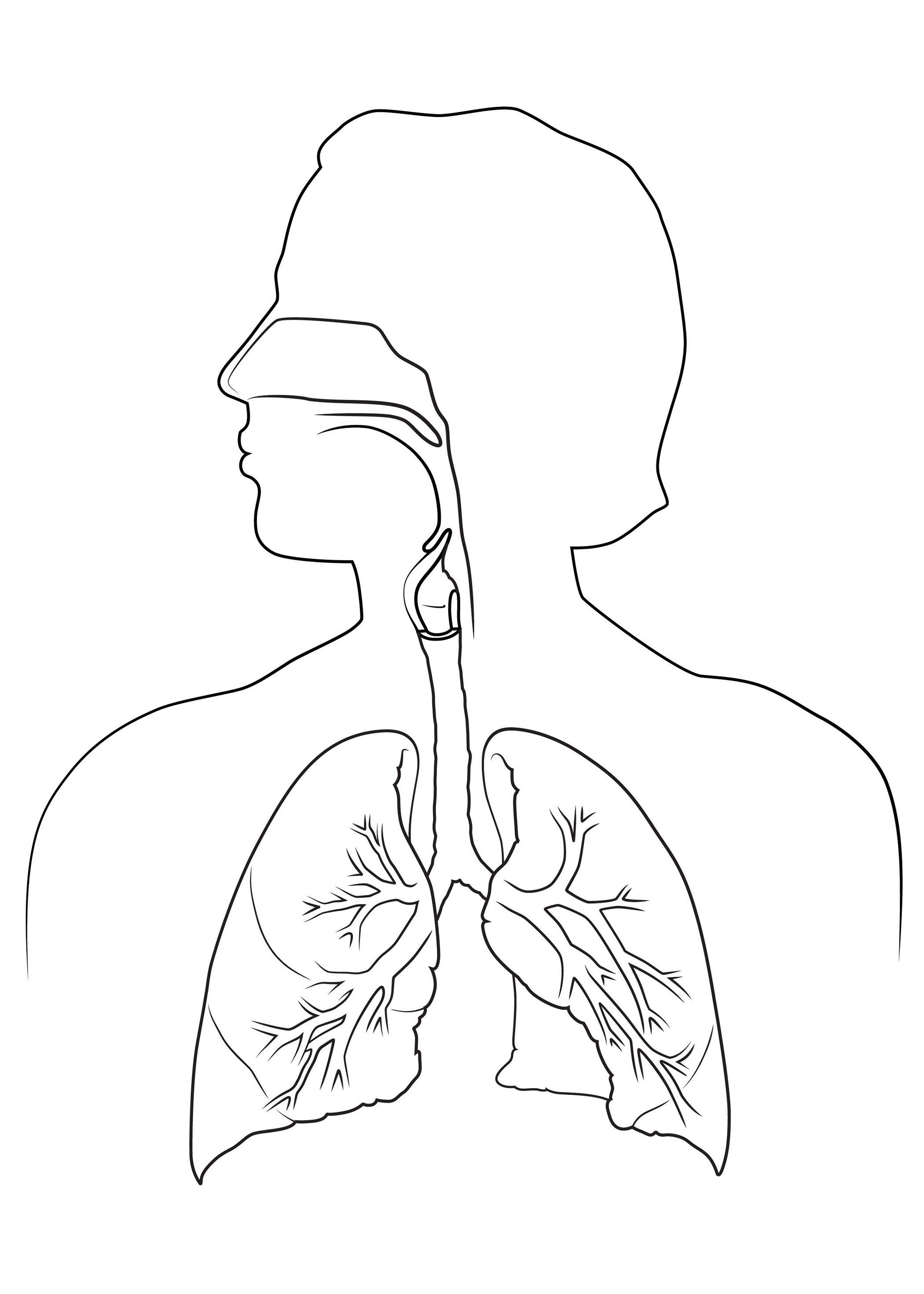
Respiratory System Drawing at GetDrawings Free download

The Respiratory System EduPrimary
The Major Organs Of The Respiratory System Include The Nose, Pharynx, Larynx, Trachea, Bronchi, Lungs, And Diaphragm.
First By Outlining The Lungs, Bronchi, And Trachea, Then Detailing Additional Components And Accessory Structures.
Web What Is The Respiratory System?
The Nose And Nasal Cavity;
Related Post: