
Aztec Goddess Drawings
Aztec Goddess Drawings - The goddess was worshipped in the spring ritual of tozozontli in the rainy season and in the. The aztecs were deeply committed to both art. For the aztec ruler, see acamapichtli. Web the aztec nation center of religion was their mighty deities. Web almost 12 feet tall and 5 feet broad, the statue shows the goddess as much a goddess of death as of birth. Ichpōchtli [itʃˈpoːtʃtɬi], meaning maiden), was a. Web among the aztecs, specific aspects of maize and its growth cycle were represented in the form of beautiful and potent deities, such as cinteotl (deified corn, a youthful god) and. Among the aztecs, he was related to wind, venus, sun,. Web aztec art is deeply intertwined with the history and traditions of the aztec civilization. Feathered serpent) is a deity in aztec culture and literature. Web almost 12 feet tall and 5 feet broad, the statue shows the goddess as much a goddess of death as of birth. Web aztec carvings on the stones of these temples would draw on astronomy, religion, and cosmology, and stressed the importance of the desire for sacrifice in. Xōchiquetzal [ʃoːt͡ʃiˈket͡saɬ]), also called ichpochtli classical nahuatl: For the aztec ruler, see acamapichtli. Web among the many female deities worshipped by the aztecs, those responsible for agricultural fertility held a prominent place. Web aztec art is deeply intertwined with the history and traditions of the aztec civilization. This sculpture depicts chicomecoátl (seven. Feathered serpent) is a deity in aztec culture and literature. This is a list of gods and supernatural beings from the aztec culture, its religion and mythology. Web among the aztecs, specific aspects of maize and its growth cycle were represented in the form of beautiful and potent deities, such as cinteotl (deified corn, a youthful god) and. They also come from the thirteen heavens. This sculpture depicts chicomecoátl (seven. Web quetzalcoatl ( / ˌkɛtsəlkoʊˈætəl / [3]) [pron 1] (nahuatl: Web among the many female deities worshipped by the aztecs, those responsible for agricultural fertility held a prominent place. Web among the aztecs, specific aspects of maize and its growth cycle were represented in the form of beautiful. Web in aztec mythology, xochiquetzal (classical nahuatl: [kojoɬˈʃaːʍki], painted with bells) is a daughter of the goddess cōātlīcue (serpent skirt). Xōchiquetzal [ʃoːt͡ʃiˈket͡saɬ]), also called ichpochtli classical nahuatl: They are all divided into gods and goddesses, in sections. Web coatlicue presents one of the most fearsome figures in aztec art. She was a striking skeletal warrior and death goddess and. Feathered serpent) is a deity in aztec culture and literature. Web quetzalcoatl ( / ˌkɛtsəlkoʊˈætəl / [3]) [pron 1] (nahuatl: [kojoɬˈʃaːʍki], painted with bells) is a daughter of the goddess cōātlīcue (serpent skirt). The goddess was worshipped in the spring ritual of tozozontli in the rainy season and in the. Web the aztec nation center of religion was their mighty deities. For the aztec ruler, see acamapichtli. Web aztec art is deeply intertwined with the history and traditions of the aztec civilization. With two facing serpents as her head, claws on her hands and feet, a. Ichpōchtli [itʃˈpoːtʃtɬi], meaning maiden), was a. Xōchiquetzal [ʃoːt͡ʃiˈket͡saɬ]), also called ichpochtli classical nahuatl: The aztecs were deeply committed to both art. This sculpture depicts chicomecoátl (seven. She was seen as the goddess of fertility, reproduction and birth, but was also related to agriculture and war. Web the aztec nation center of religion was their mighty deities. Xōchiquetzal [ʃoːt͡ʃiˈket͡saɬ]), also called ichpochtli classical nahuatl: Web the aztec nation center of religion was their mighty deities. For the aztec ruler, see acamapichtli. Among the aztecs, he was related to wind, venus, sun,. With two facing serpents as her head, claws on her hands and feet, a. Web quetzalcoatl ( / ˌkɛtsəlkoʊˈætəl / [3]) [pron 1] (nahuatl: She was a striking skeletal warrior and death goddess and. The aztecs were deeply committed to both art. Web almost 12 feet tall and 5 feet broad, the statue shows the goddess as much a goddess of death as of birth. Web in aztec religion, coyolxāuhqui (nahuatl pronunciation: Feathered serpent) is a deity in aztec culture and literature. The aztecs, originally nomadic, settled in the valley of mexico around 1325. Web coatlicue is the aztec earth goddess. Web among the many female deities worshipped by the aztecs, those responsible for agricultural fertility held a prominent place. She was seen as the goddess of fertility, reproduction and birth, but. The goddess was worshipped in the spring ritual of tozozontli in the rainy season and in the. Web almost 12 feet tall and 5 feet broad, the statue shows the goddess as much a goddess of death as of birth. Web aztec carvings on the stones of these temples would draw on astronomy, religion, and cosmology, and stressed the importance. Web aztec mythology refers to the religious beliefs, stories, and rituals practiced by the aztec civilization, which existed in mesoamerica from the 14th to the 16th. Web aztec art is deeply intertwined with the history and traditions of the aztec civilization. She was seen as the goddess of fertility, reproduction and birth, but was also related to agriculture and war.. The aztecs were deeply committed to both art. Web aztec carvings on the stones of these temples would draw on astronomy, religion, and cosmology, and stressed the importance of the desire for sacrifice in. Web coatlicue presents one of the most fearsome figures in aztec art. Web quetzalcoatl ( / ˌkɛtsəlkoʊˈætəl / [3]) [pron 1] (nahuatl: The goddess was worshipped in the spring ritual of tozozontli in the rainy season and in the. Web almost 12 feet tall and 5 feet broad, the statue shows the goddess as much a goddess of death as of birth. Ītzpāpalōtl [a] (obsidian butterfly) was a goddess in aztec religion. She was seen as the goddess of fertility, reproduction and birth, but was also related to agriculture and war. The aztecs, originally nomadic, settled in the valley of mexico around 1325. She was a striking skeletal warrior and death goddess and. Feathered serpent) is a deity in aztec culture and literature. Ichpōchtli [itʃˈpoːtʃtɬi], meaning maiden), was a. Web among the aztecs, specific aspects of maize and its growth cycle were represented in the form of beautiful and potent deities, such as cinteotl (deified corn, a youthful god) and. With two facing serpents as her head, claws on her hands and feet, a. Xōchiquetzal [ʃoːt͡ʃiˈket͡saɬ]), also called ichpochtli classical nahuatl: Web coatlicue is the aztec earth goddess.
Aztec Goddess by ZombieRizu on DeviantArt

Xochiquetzal by CangrejoVolador on deviantART Gods and goddesses
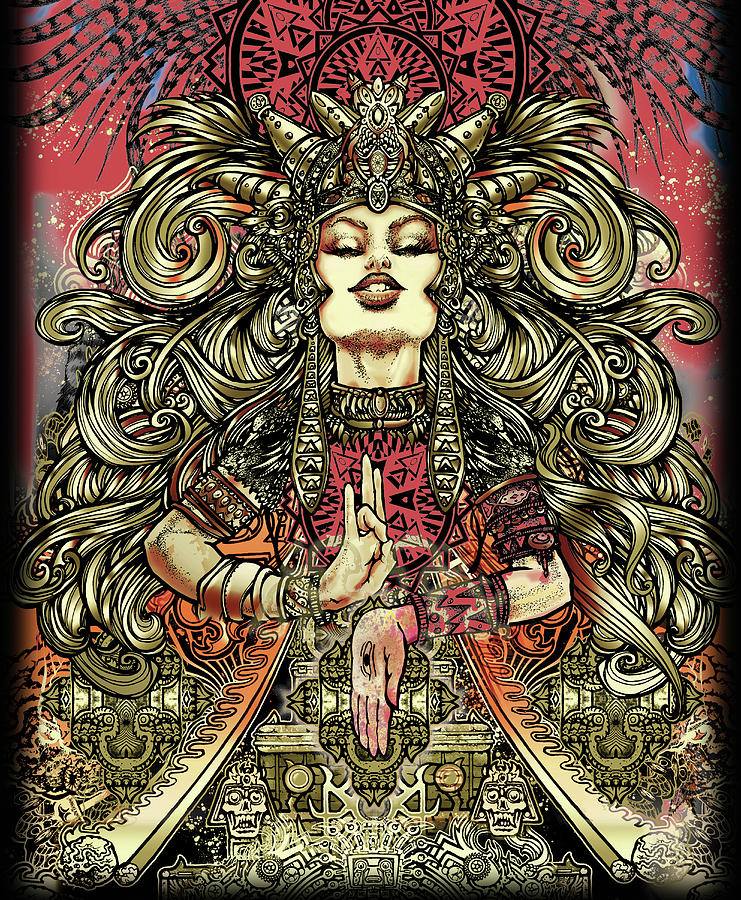
Aztec Goddesses
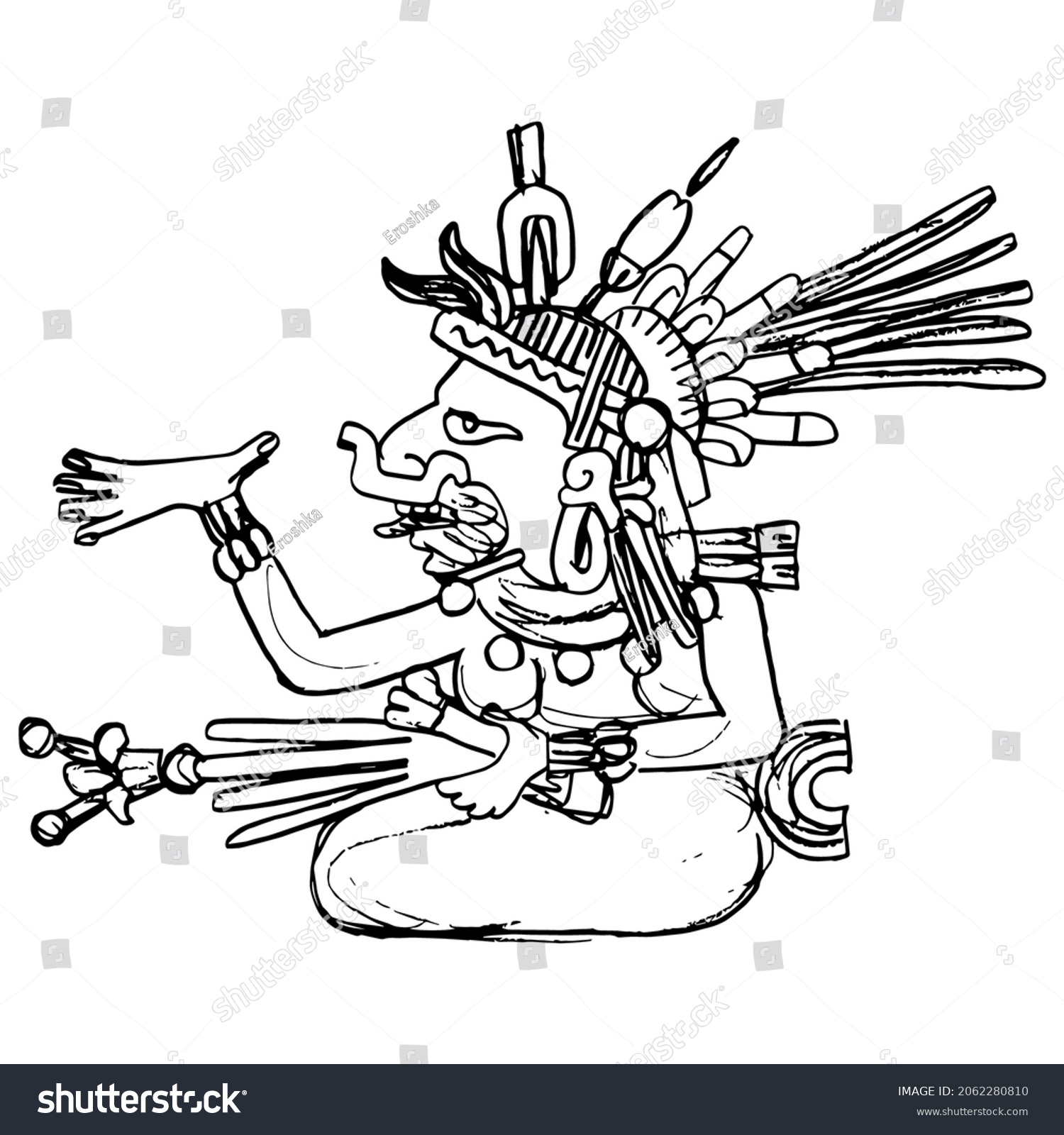
Aztec goddess. Native American art from Mexican Royalty Free Stock

Aztec Goddess by Aline R. De La Victoria Mayan art, Aztec art, Maya art
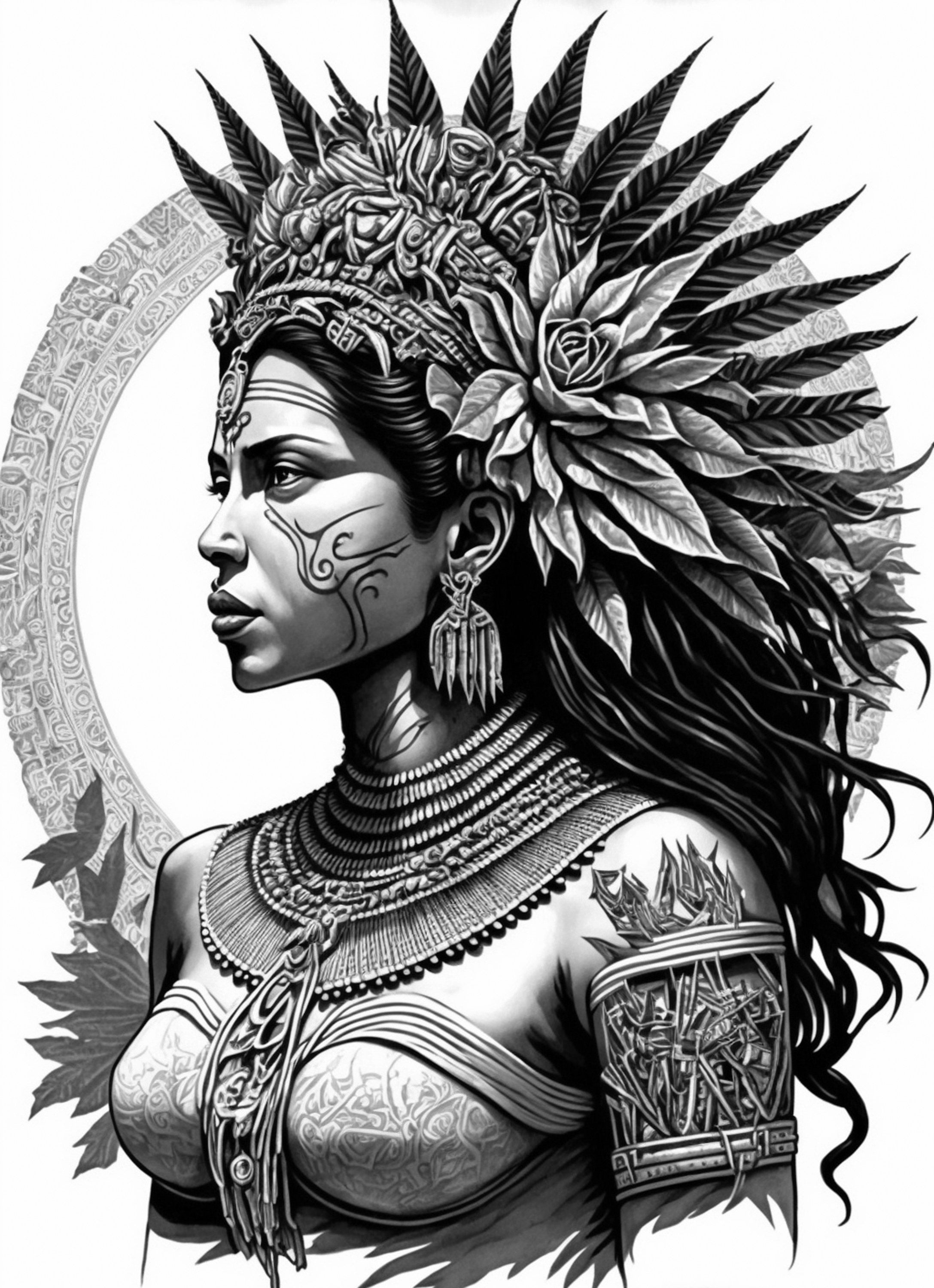
Aztec Queen Drawings

chalchiuhtlicue, aztec river goddess Aztec Artwork, Art Tribal, Aztec
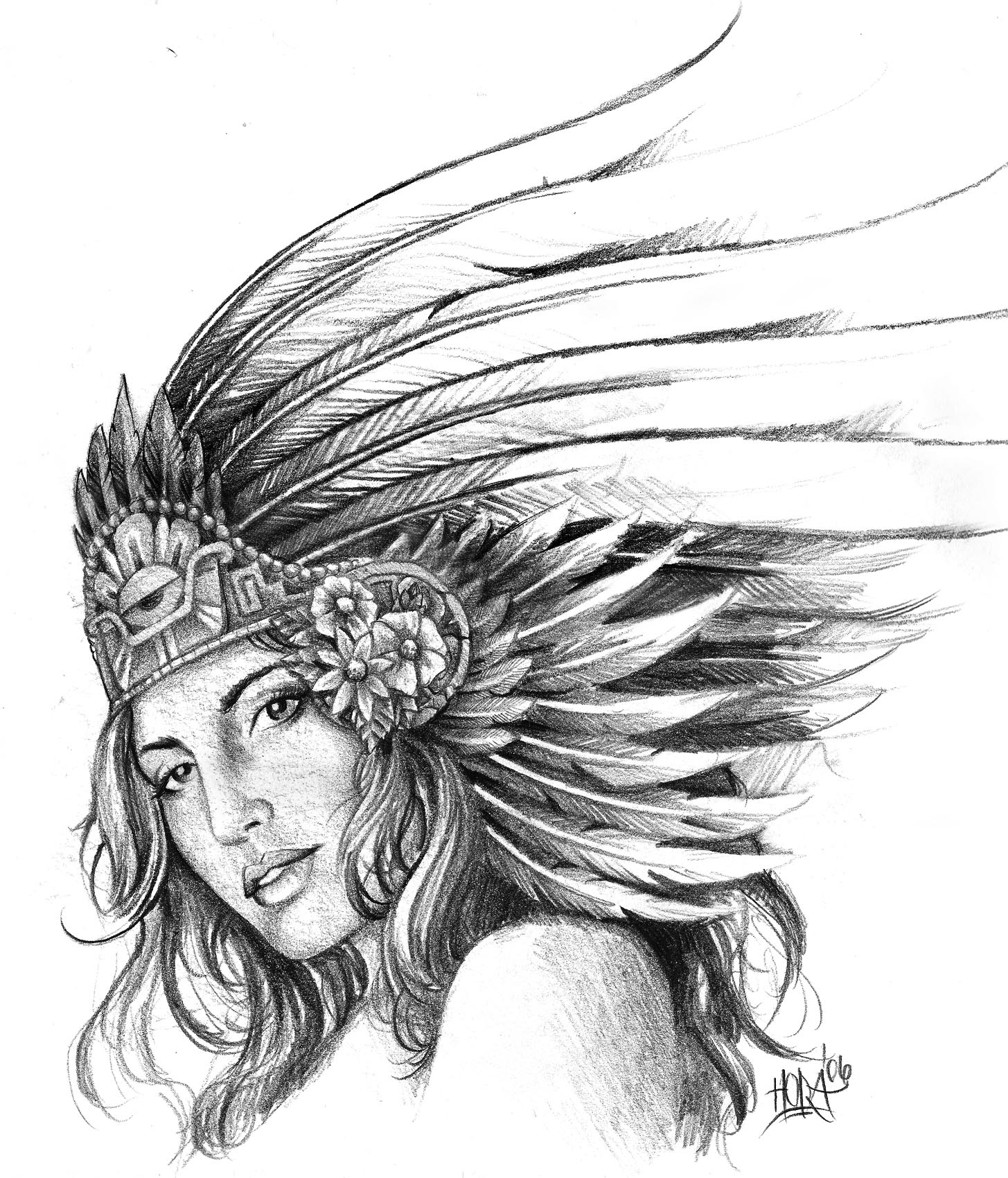
Aztec Art Goddess Sketch
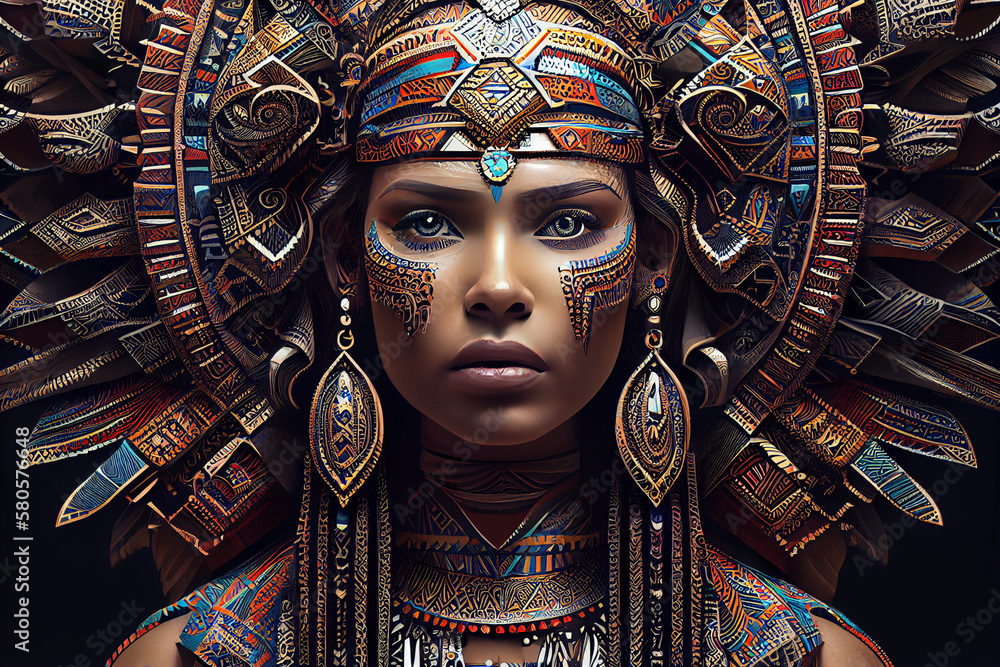
A stylized portrait of an Aztec goddess, with intricate geometric

12 Major Aztec Gods and Goddesses You Should Know About Aztec artwork
Web The Aztecs Created Handcrafted Ceramics, Beautiful Silver And Gold Jewelry, And Magnificent Featherwork Costumes.
[Kojoɬˈʃaːʍki], Painted With Bells) Is A Daughter Of The Goddess Cōātlīcue (Serpent Skirt).
They Also Come From The Thirteen Heavens.
For The Aztec Ruler, See Acamapichtli.
Related Post: